
COVID-19 Lockdown 2.0: Managing Stress Levels Soaring Again
The announcement of COVID-19 Lockdown 2.0 has once again sent stress levels soaring for many people, just weeks before the festive season. Just when we thought we were moving towards normality, the new restrictions hit hard—impacting our mental health and wellbeing once more.
The Reality of Stress During COVID-19 Lockdown 2.0
Before lockdown started, I experienced firsthand the overwhelming stress and anxiety many feel during these times. A simple trip to the shops turned chaotic—crowded streets, long queues, poor social distancing, and panic buying of essentials like toilet paper, pasta, and even pet food. It was a reminder that COVID-19 lockdown stress remains a very real challenge.
Why Managing Stress During Lockdown is Crucial
Stress is a natural response designed to help us survive, but prolonged and excessive stress during lockdown can severely affect our physical and mental health. If left unmanaged, stress can lead to symptoms such as chronic fatigue, anxiety, depression, irritability, and physical ailments.
What is Stress and When Should You Be Concerned?
Stress isn’t always harmful. In fact, stress hormones like cortisol can energize us and enhance focus temporarily. However, when stress becomes chronic—as is common during ongoing COVID-19 restrictions—it can overwhelm your wellbeing, leading to emotional and cognitive difficulties.
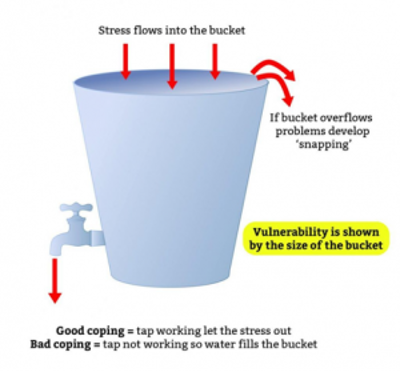
One practical and effective method to manage stress during COVID-19 lockdown is the “Stress Bucket” concept, also known as the “Wellbeing Bucket.” This visual tool helps you understand how stress accumulates and how to release it before it overflows.
- Imagine your stress as water filling a bucket.
- Every worry or stressor, such as financial concerns, work pressure, family issues, or health worries, adds to the bucket.
- Your brain doesn’t distinguish between imagined and real stress, so the bucket can fill up quickly.
- When the bucket overflows, your body shifts into a fight-or-flight mode, causing increased anxiety, anger, or depression symptoms.
Recognising Lockdown Stress Symptoms
When your stress bucket is full, you might experience:
- Constant tiredness and low energy
- Feeling overwhelmed or emotionally drained
- Trouble focusing or lack of motivation
- Physical symptoms like headaches or digestive issues
- Low libido or changes in appetite
How to Empty Your Stress Bucket During Lockdown
To prevent your stress bucket from overflowing, it’s important to find healthy ways to release stress:
- Prioritize sleep and rest
- Stay physically active with regular exercise
- Maintain balanced nutrition
- Practice mindfulness and relaxation techniques
- Seek social support, even if virtually
Rate your stress level from 1 (low) to 10 (high), and after practicing stress relief techniques, reassess to track your progress.
Practical Activity: Using Your Stress Bucket
1. Identify the size of your bucket – Reflect on how much stress you feel able to manage.
2. List your stressors – Write down all the things currently filling your bucket (work, finances, health, family, etc.).
3. Assess your control – Ask yourself:
a. What can I change?
b. What do I need to accept?
c. Who can help me?
4. Evaluate coping strategies – Which habits reduce your stress? Which ones add to it? Aim to increase helpful coping mechanisms and reduce unhelpful ones.
Final Thoughts on Managing Stress During COVID-19 Lockdowns
While the COVID-19 pandemic and lockdown restrictions continue to challenge our mental health, tools like the Stress Bucket provide a simple yet powerful way to understand and manage your stress levels. Becoming more self-aware and proactive about stress relief can protect your wellbeing during these uncertain times.
Author: Zeenat Noorani