Stop Anxiety from Hijacking Your Emotions: A Step-by-Step Guide to Emotional Regulation
Anxiety and unmanaged emotions can quickly hijack your energy and behaviour—distorting your reality and reactions to daily life. Whether you’re aware of it or not, emotional overwhelm often triggers impulsive decisions and intense stress responses, rarely leading to positive outcomes.
Why Emotional Regulation is Vital for Mental Health
Understanding how anxiety affects the brain is key to managing your emotions in healthier ways. Our emotional brain—known as the limbic system—and the brainstem (our survival brain) can override the logical part of our brain in a split second. This sends us into fight, flight, or freeze mode. It’s a natural response designed to protect us, but in today’s world, this primal reaction often works against us.
That’s where emotional regulation comes in. Learning how to self-soothe, calm your nervous system, and build emotional intelligence are essential skills—especially in today’s unpredictable world.
My Personal Journey with Emotional Regulation
From my teenage years to my early 30s, I struggled with anxiety, low self-worth, and overwhelming emotions. I wasn’t taught how to regulate my feelings or manage inner turmoil. It wasn’t until I started my career in teaching and then trained as a life coach and therapist that I began to fully understand the power of emotional awareness.
Through my own mental health journey, I discovered that learning to manage anxiety through mindfulness, self-awareness, and intentional action made a world of difference. That “Aha!” moment led me to support others on their path to calmness and self-mastery.
The Power of Self-Awareness and Mindfulness
Practicing mindfulness for anxiety isn’t about spending hours meditating—it’s about being consistently present and self-aware in small, intentional ways.
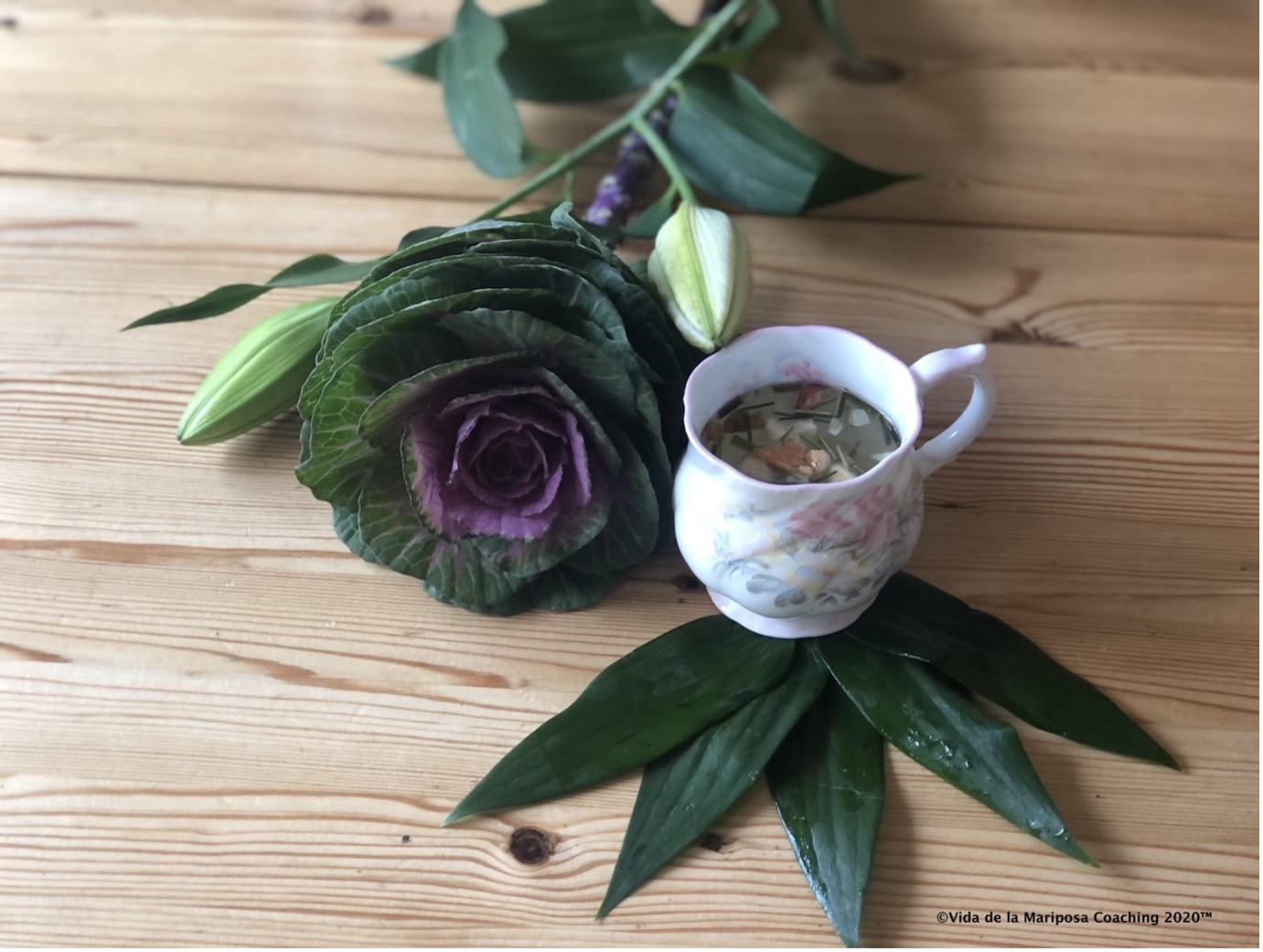
Integrating just 2–10 minutes a day of mindfulness into your routine can shift your state from chaos to calm. This could be as simple as sipping a cup of tea in silence or taking a few deep breaths before reacting to a stressful moment.
“To make any change at all, the first step is to develop heightened self-awareness.”
Before You Begin… Try This Self-Awareness Exercise:
Observe yourself for one week. Ask:
- What recurring thoughts increase your anxiety?
- In what small ways are you neglecting your needs?
- Don’t change anything yet—just notice with curiosity.
Practice self-compassion. Each time negative self-talk arises, consciously say “STOP.” Replace it with kind, supportive self-talk. This lays the foundation for emotional regulation and mental wellbeing.
4 Simple Steps to Manage Anxiety & Regulate Emotions

Once you’re aware of how anxiety shows up in your life, you can begin using this 4-step emotional regulation process to return to calm and clarity.
Step 1: Identify What You’re Feeling
Name your emotion: anxious, overwhelmed, sad, angry, resentful, etc.
Emotions often feel like a tangled mess, so start by breathing deeply. As your nervous system calms, sort and label the emotions—just like lining up children for a school trip.
Step 2: Ask Yourself How You Want to Feel
Now that you’ve acknowledged your emotions, ask:
How do I want to feel instead?
Do you want to feel peaceful, confident, connected, or reassured? This insight gives you emotional direction and clues for what needs to shift.
Step 3: Shift Your Perception
Often, it’s not the event but your interpretation that fuels anxiety. Ask:
What new perception would help me feel the way I want to feel?
Example: If a friend hurt your feelings, instead of assuming they don’t care, consider they may be unaware and didn’t intend harm. This shift lowers emotional intensity and creates room for understanding.
Step 4: Take One Empowering Action
Choose one small action to support your emotional shift. For example:
- Call a friend for support
- Take a 15-minute walk in nature
- Journal about your feelings
- Schedule time for self-care or rest
Remember, consistent small actions build emotional strength and inner peace.
Real-Life Scenario: How to Apply Emotional Regulation in Relationships
Example: Feeling disconnected from your partner
- Step 1 – Identify your feelings: Lonely, ignored, resentful, unimportant
- Step 2 – Desired emotion: Loved, connected, appreciated
- Step 3 – Shift perception: “My partner is working long hours to support us. They still show love in small ways, like checking in during the day.”
- Step 4 – Take action: Express appreciation and ask for a shared activity to reconnect—like a weekly date night.
By practicing this regularly, you’ll build stronger emotional fitness and transform anxiety into emotional resilience.
Final Thoughts: Mindful Actions Create Lasting Change
Anxiety doesn’t have to control your life. With mindful awareness, emotional honesty, and consistent micro-actions, you can build a calmer, more balanced mind.
It only takes small, regular, mindful actions to increase happiness and build emotional wellbeing.
Bonus Resources
Explore this free guide to build Emotional Intelligence skills:
👉 https://tools.positivepsychology.com/ei-exercises
Author Zeenat Noorani, The Clarity Coach / Co-founder & Director of Let’s Talk Better CIC